
Why Professional Dog Training Is Worth It — And What to Look for in a Trainer
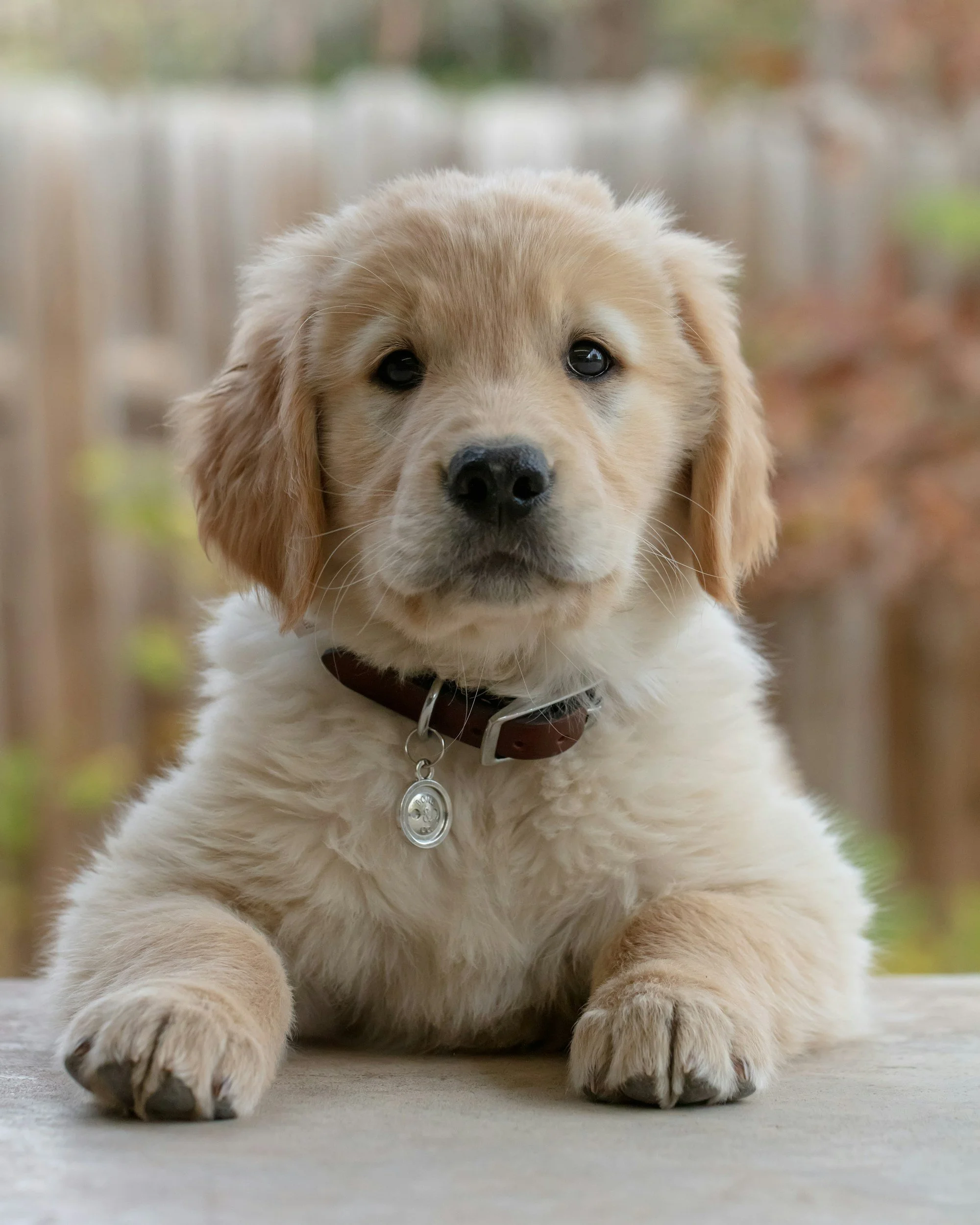
Why Professional Dog Training Is Worth It — And What to Look for in a Trainer
Most dog owners try to handle training on their own first. That makes complete sense — there's no shortage of YouTube videos, books, and well-meaning advice from friends and family. And for some basic manners in a low-distraction environment, self-directed training can get you somewhere. But for most people and most dogs, there comes a point where the DIY approach hits a wall. The dog knows "sit" in the kitchen but completely ignores it outside. The recall works perfectly until it suddenly doesn't — at the worst possible moment. The jumping, the pulling, the anxiety, the reactivity all stay frustratingly consistent no matter what you try.
That's not a failure on your part. It's a sign that what you need is a professional — someone who understands dog behavior at a deeper level, who can read what's really happening in the dog-owner dynamic, and who can build a training plan that produces real, lasting results.
What Professional Training Actually Does Differently
The difference between professional training and self-directed training isn't just about technique — it's about having an objective eye on your specific dog and your specific situation. As a dog owner, you're deeply emotionally invested in your dog, and that's a beautiful thing. But it also means it can be hard to see patterns clearly, to stay consistent when the dog gives you those eyes, or to distinguish between a dog who genuinely doesn't understand a command and one who understands but is choosing to ignore it.
A qualified professional trainer can identify where the communication breakdown between you and your dog actually is, whether your dog is confused, undertrained, or testing boundaries, which training tools and methods are the right fit for your dog's temperament and your lifestyle, and what you as the owner need to do differently to get consistent results.
That last point is important and often overlooked. Dog training is always, at some level, owner training. A dog who behaves perfectly with a trainer but falls apart at home is a dog whose owner hasn't yet learned how to communicate in the same way the trainer does. Good professional training transfers the skills to you — not just to the dog.
The Long-Term Cost of Skipping Professional Training
One of the most common things we hear from new clients at Ridgeside K9 Charlottesville is some version of: "I wish we had come to you sooner." And we understand why people wait — training feels like an investment, and when things aren't too bad yet, it's easy to think you'll figure it out. But untrained behaviors don't stay static. They compound.
A dog with a weak recall at six months becomes a dog who bolts into traffic at two years. A puppy who nips playfully becomes a dog with a bite history. A dog who pulls occasionally becomes one who has learned that pulling always gets them where they want to go. The longer problematic behaviors are allowed to continue, the more ingrained they become — and the more work it takes to address them later.
Investing in professional training early isn't just about fixing problems. It's about preventing them from developing in the first place, and about building the kind of foundation that makes every other aspect of life with your dog easier and more enjoyable.
What to Look for in a Dog Trainer
The dog training industry is largely unregulated, which means the quality of trainers varies enormously. Here are some things to look for when evaluating a trainer:
Transparency about methods. A good trainer can clearly explain what they're doing and why. They don't rely on jargon or vague assurances — they walk you through the logic of their approach.
Real results you can see. Look for evidence of their work — videos of trained dogs, client testimonials, before-and-after demonstrations. Results speak louder than credentials.
A focus on the owner's education. The best trainers don't just train your dog and hand them back — they teach you how to maintain and build on what was accomplished.
An individualized approach. No two dogs are the same. A trainer who offers cookie-cutter programs for every dog is not accounting for the enormous variation in breed, temperament, history, and environment.
A dog you'd want to own. Ask to see the trainer's own dogs. How they behave is the clearest possible demonstration of what the trainer is capable of producing.
Why Families in Charlottesville Trust Ridgeside K9
At Ridgeside K9 Charlottesville, we've built our reputation on one thing: dogs that actually behave in real life. Not just in a training session. Not just when things are calm and controlled. In the yard, on the trail, at the front door, in the car — in all the messy, distraction-filled moments that make up everyday life with a dog.
We work with puppies, adolescent dogs, and adult dogs with long-standing habits. We use training tools and methods that are well-suited to each individual dog, and we make sure that every skill we build transfers cleanly to the owner. Our goal is never just a trained dog — it's a trained dog and an empowered owner who knows how to communicate with them for life.Ready to Start?
If your dog needs structure, confidence, and clarity, our team is ready to help. Schedule your consultation with Ridgeside K9 Charlottesville today and see what’s possible.
